Is Your Diamond or Gemstone Worth Anything?
Maybe you inherited a ring and you’ve no idea if that ruby is real or glass.
Maybe you’ve got an engagement ring from a marriage that ended. You were told it cost a small fortune. Now you want to know if that’s still true.
Or maybe you just want a straight answer to one question. Does the stone add money on top of the gold, or not?
This guide shows you what makes a diamond or gemstone worth real money when you sell it second-hand, and what makes it worth nothing.
By the end, you’ll know roughly where your diamond jewellery sits. Whether it’s only worth the metal price, or worth much, much more.
The Short Answer
Here’s the rule of thumb. The gold is the sure thing. We weigh it, test it, and pay you for it today. The stone is the bonus. Whether it adds a little, a lot, or nothing at all comes down to what it actually is.
Sometimes that stone is worth serious money. Often it’s worth nothing on top of the metal.
We’ll show you which one you’re holding.
So let’s take diamonds first, then coloured gemstones, and work out whether your diamond or gemstone is worth anything.
Insured Value Isn’t Cash Value
Before we go further, let’s clear up the biggest mix-up we see.
Your insurance valuation is not what your jewellery sells for.
That number on your insurance papers is a replacement value. It’s what it would cost to make or buy the piece brand new, at full retail, today. It’s set high on purpose, so you’re covered if it’s lost or stolen.
What you get when you sell is the second-hand cash value. That’s what the piece is really worth on the open market, once the retail markup is stripped away. The two numbers can be worlds apart.
So if your ring is insured for $10,000, please don’t read that as the selling price. It almost never is. We’ll show you the real figure, and walk you through how we got there.
Diamonds
The Market Has Changed, Fast
Rewind just a few years to 2020. Back then, around 95% of engagement rings and bridal jewellery were set with natural diamonds. Only about 5% used coloured gemstones.
Today the picture is almost unrecognisable. Around 70% of bridal jewellery is now lab-grown diamonds. About 15% is coloured gemstones. And only about 15% is natural diamonds.
What people are buying for bridal jewellery
Share of engagement & bridal pieces, 2020 vs today
Lab-grown diamonds
Coloured gemstones
That shift hit the diamond world hard. De Beers, the company that controlled the global diamond market for a century, is now in terminal decline. Its parent company has been trying to sell it and can’t find a buyer. Last month alone, De Beers cut the price of the rough diamonds it sells from the mines to the cutters in India by 30%. The trend is steep, and it’s heading one way. Down.
What a Natural Diamond Is Really Worth Now
Here’s the hard part, and we say it gently, because we have this conversation with lovely people every week.
The price of natural diamonds is dropping month on month.
Years ago, a decent everyday diamond, say a G colour with VS1 clarity, still held some resale value. That’s no longer true.
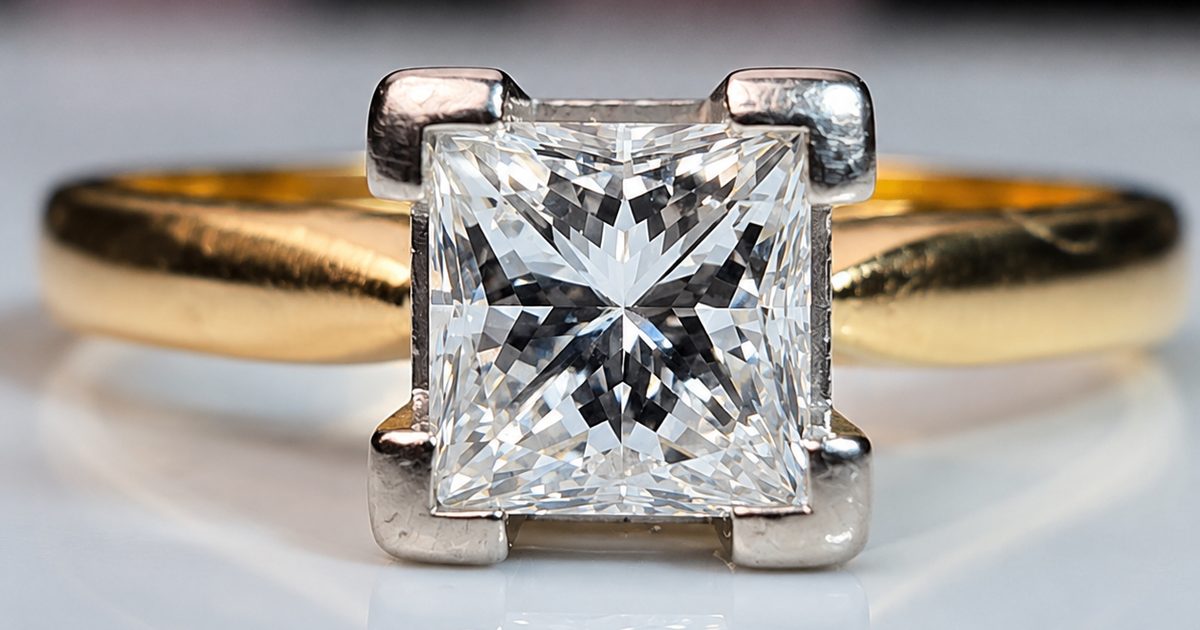
Today, unless your diamond is D to F in colour, VVS clarity or better, non-fluorescent, and a full carat or more, there’s next to no resale value in it. The market for anything below that has thinned right out.
If you did buy a top-quality stone, then yes, there’s real value there, and we’ll pay you for it.
But we have to be honest about the gap. You may have paid $16,000 for that engagement ring years ago. Today, that same diamond might add just $500 to $1,000 on top of the metal value. That’s a painful number to read. We didn’t set it, and we’re not the reason for it. We’d just rather you hear the truth from someone who respects you and knows the market.
Why We Need the Paperwork
One thing to know before you come in. To grade a diamond properly, whether it’s natural, its true colour and clarity, and whether it fluoresces, we really need the certificate it came with.
Without paperwork, the only way to grade a diamond accurately is to remove it from its setting and send it to an expert diamond certifier. That’s a specialist service, and it’s not one we offer. So for a mounted diamond with no papers, we can only go on what we can see, and give you our honest read.
If you’ve got the certificate, dig it out. It makes a real difference to what we can tell you.
Why Even Jewellers Won’t Stockpile Diamonds Any More
It used to be that jewellers bought diamonds in parcels. A parcel is a batch of stones bought together at a wholesale discount. They’d happily hold them, because every quarter those diamonds crept up in value. Sitting on stock was smart.
Not any more. These days a jeweller buys the diamond only when a client orders the ring. Instead of keeping stones in the cabinet and making pieces up out the back, they order the diamond in, then have it made. Nobody wants to hold a stone that’s worth less next month than it is today.
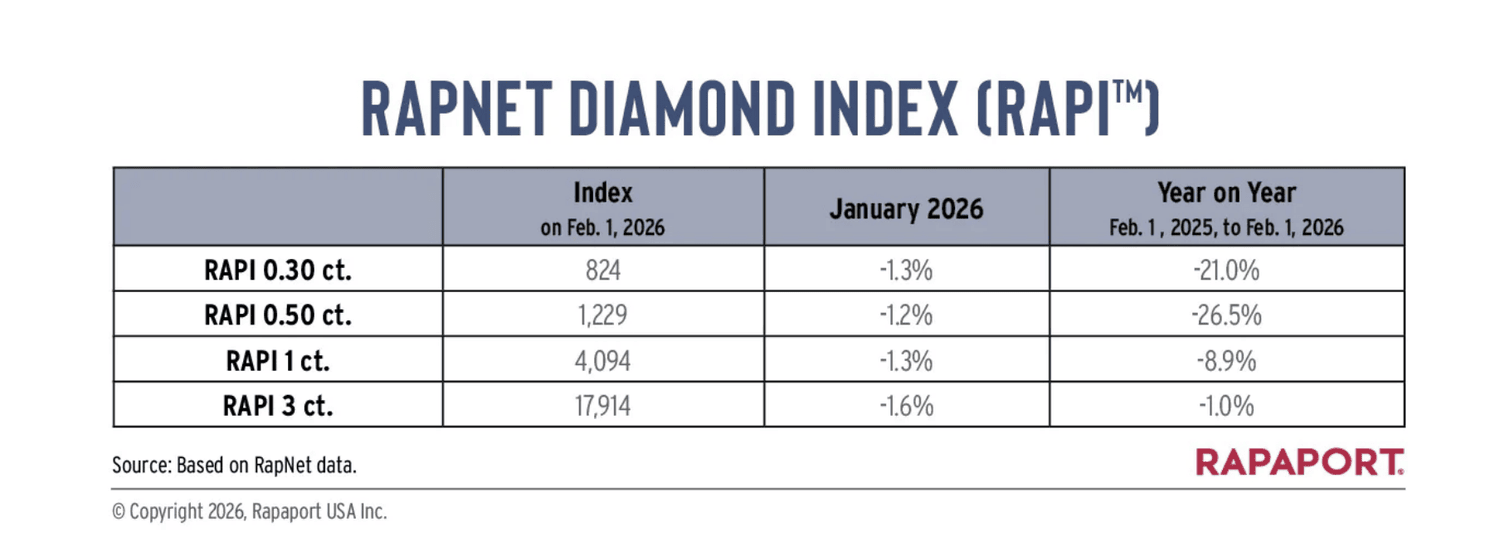
When the trade itself is nervous about owning a diamond, that tells you how soft the resale market has become.
So the simple version is this. Got a big, bright, white stone? It’s worth real money. Anything outside that top bracket is likely worth very little.
Lab-Grown Diamonds
Lab diamonds have taken the world by storm. They’re a near-exact replica of a natural diamond, they sell for a fraction of the price, and many people choose them believing they’re the greener option.
(On that last point, one quick note. Growing a diamond takes enormous heat and pressure over months, which burns a lot of energy. So they’re not really the eco-choice people assume. The marketing is just very, very good.)
Here’s the number that stuns people. A jeweller buys a top one-carat lab diamond, best colour, best clarity, non-fluorescent, for around $200 to $300. That’s the wholesale cost of the stone.
Now think about what you paid. A 1.5 carat lab-diamond engagement ring might have set you back $6,000, $7,000 or more. The stone in it cost the maker a few hundred dollars.
So we’ll be straight with you. Vivid Jewels doesn’t buy lab-grown diamonds. It’s nothing personal. They simply can’t be resold to anyone for any real value, because a brand-new one is so cheap to buy. No jeweller needs a used one.
If you overpaid for a lab-diamond ring, don’t lose heart. Read our guide, Where to Sell Gold in Canberra, and follow the part on selling privately through Facebook Marketplace. That’s your best first option for getting the most back for your ring.
Rubies Crashed Once. They Came Back.
Here’s a bit of history worth knowing.
Back in the early 1900s, synthetic rubies flooded the market and the price of natural rubies crashed. Everyone thought rubies were finished. They weren’t. The market didn’t just recover, it soared. Today some natural rubies sell for over $50,000 a carat.
Could the same one day happen for diamonds? Only time will tell.
Those Little Diamonds Around the Band
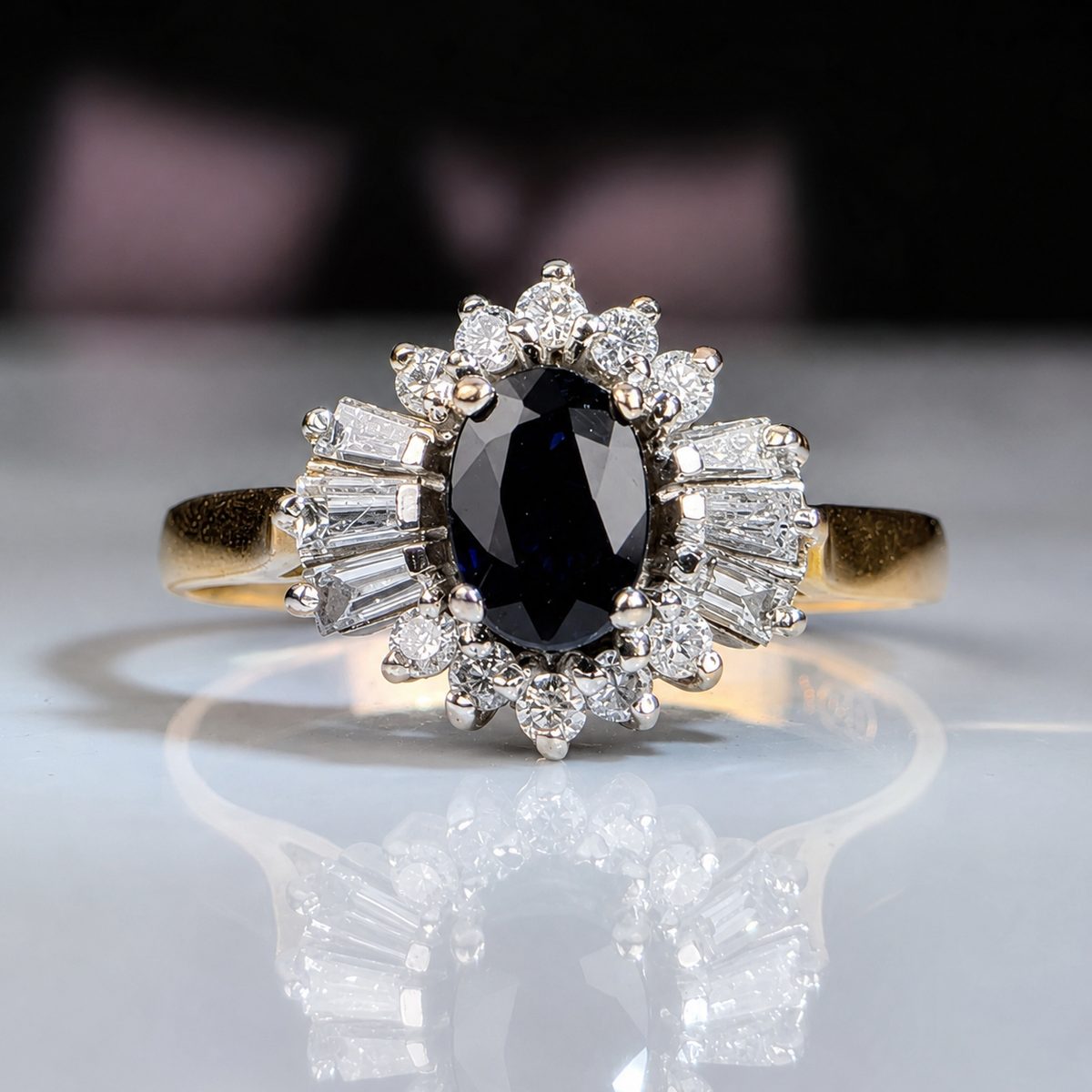
Look at a lot of rings and you’ll see small diamonds set around the band or around the main stone. Pretty, sparkly, and part of why the ring looked expensive in the shop.
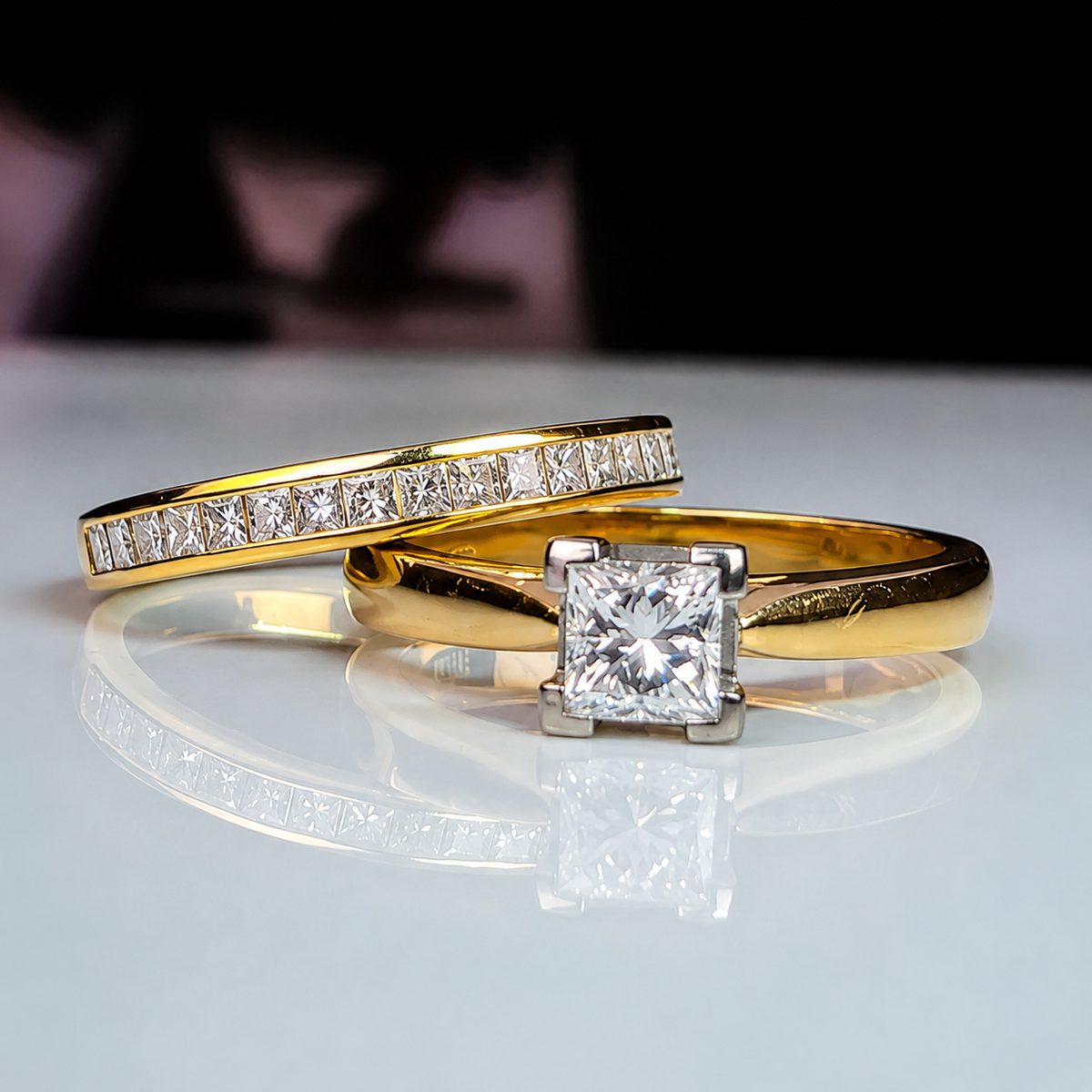
These are called calibrated diamonds. A jeweller buys them wholesale for around $100 to $200 per carat. And each one is tiny, often just a few points. A point is one percent of a carat, so a ten-point diamond is 0.10 of a carat.
Here’s the catch. Even when these little stones are bright and white, they carry no second-hand value. For a jeweller to reuse them, every stone has to be removed, repolished, and reset by hand. That’s slow, fiddly work. It’s cheaper and faster to just buy new ones at $100 to $200 a carat.
So the sparkle around the band adds beauty. It doesn’t add to what we can pay you.
Ready to Sell a Diamond in Canberra?
Not sure which bracket your diamond falls into? Bring it in and we’ll tell you straight, on the spot. The assessment is free, and there’s no pressure to sell.
Coloured Gemstones
Gemstones are where it gets interesting. A small stone can be worth a fortune or worth nothing, and to an untrained eye they can look identical. Here’s how to read yours.
A Word on Certification
If you have certification for your gemstones, it helps enormously. We mean a report from a reputable lab: a GIA report for a diamond, or a respected coloured-gemstone lab for a ruby, sapphire or emerald.
Be careful with the small print, though. If your certificate is a little credit-card-sized card that came in the box, those usually don’t hold up as proof of much.
If you’re not sure what you’ve got, let us take a look first. We’ll tell you the best way forward. If it’s something significant, we’ll point you to where to get it properly certified, and from there we can work out what it’s really worth.
First, a Quick Tell: Is It Set in Silver?
If your gemstone is set in silver, it’s usually a sign the piece wasn’t built to hold anything precious. Fine, valuable stones are almost always set in gold or platinum. It’s not a hard rule, but it’s a fair first clue.
The Magic Three Carats
Coloured gemstones are priced first and foremost on colour. But for truly top-grade stones, size counts too, and the serious money tends to start at three carats and up.
That doesn’t make a smaller stone worthless. It just means the rare, high-value stones are usually the bigger ones.
Smaller Stones and the Wear-and-Tear Problem
If your stone is one to two carats, there’s something you need to understand.
A diamond is so hard it barely marks, even after years of daily wear. Coloured gemstones are softer. They bump, scratch, graze and chip far more easily. And most second-hand gems have lived on someone’s finger for years, taking knocks the whole time.
So even a good stone comes with a repair bill. To use it, a jeweller pops it out of the setting, has it repolished, then resets it or rehomes it into a new piece. That restoration costs money, and it comes straight off what the stone is worth.
The Big Three: Ruby, Sapphire, Emerald
Most valuable coloured stones are one of these three. Here’s what we look at.
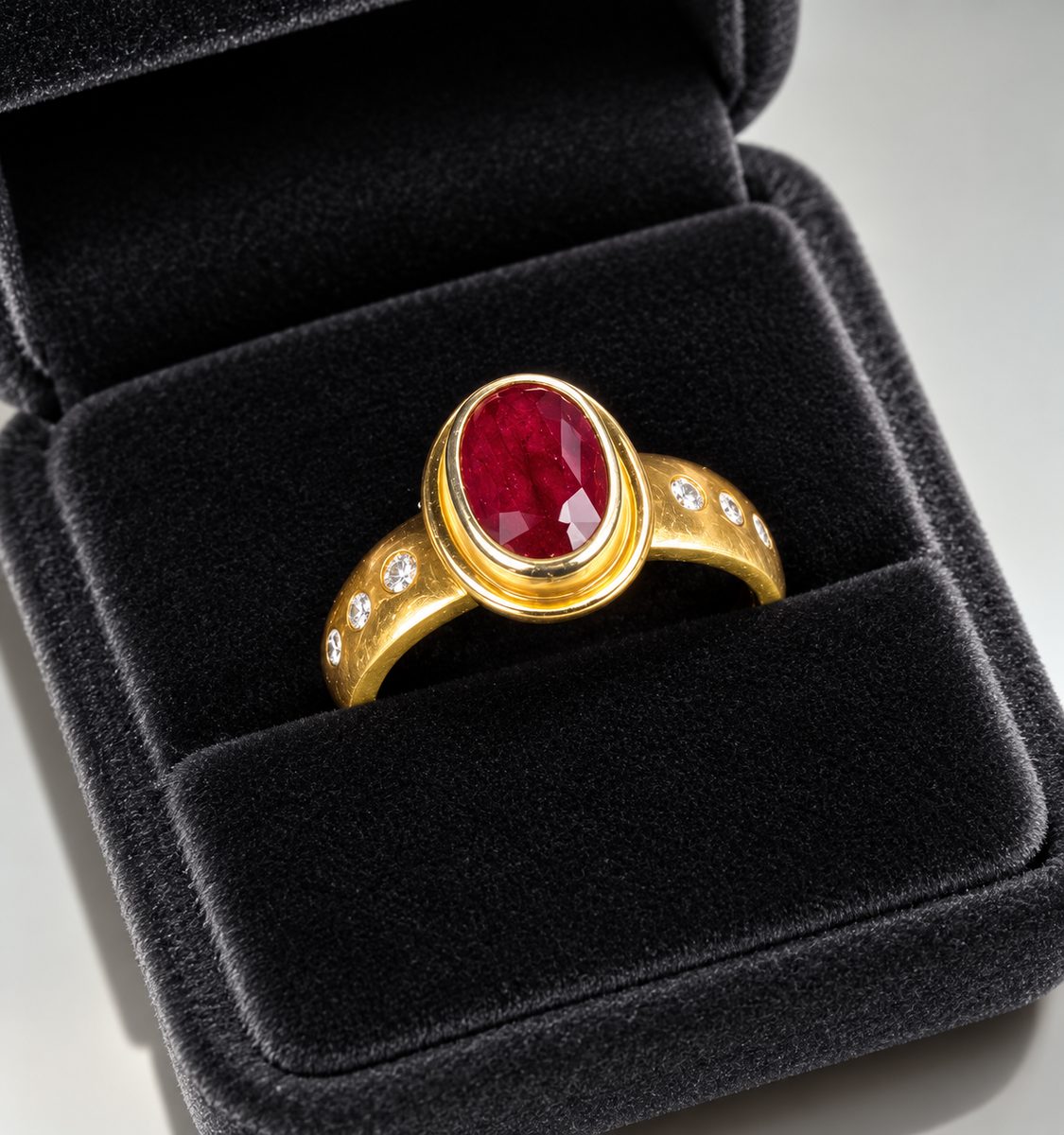
Colour comes first. It needs to be strong and vivid. A ruby needs to actually be red. If it leans purplish or pinkish, it’s worth a lot less. The same goes across the others. The purer and richer the colour, the better.
Clarity comes next. Hold the stone to the light and look into it. Can you see through it, down to the facets at the bottom reflecting back at you? That’s a good sign.
Watch for windowing, though. If you can see straight through the middle and the colour hollows out in the centre, so you can almost see the setting underneath, that’s not good. That washed-out patch is called a window, and it drags the value down.
Where it was mined can change everything. This is the part most people don’t know. The same type of stone can be worth wildly different amounts depending on where it came out of the ground.
Take two rubies. One is a Thai ruby, dug up in the 1980s, two carats, set into a ring, now carrying a few dings. It’s a purplish red from an origin nobody chases. Honestly, that stone is likely worth very little.
Now take a pigeon-blood red ruby from Burma. Even at one to two carats, with good clarity and the right colour, that stone can fetch several thousand dollars per carat. Same gem family, a world apart in value.
Rubies from most other places land somewhere between. Not worthless, but usually only a small premium.
Was It Treated?
Where you bought it is a clue to quality. If the piece came from a respected fine jeweller, there’s a better chance the stones are a top colour, from a sought-after origin, and genuinely collectible.
If it was bought cheaply, or picked up on your travels, the stones are more likely to have been treated. Rubies, for example, are often glass-filled or fracture-filled to hide the inclusions and pump up the colour.
Opals and Pearls
Two Australian favourites that need their own quick word.
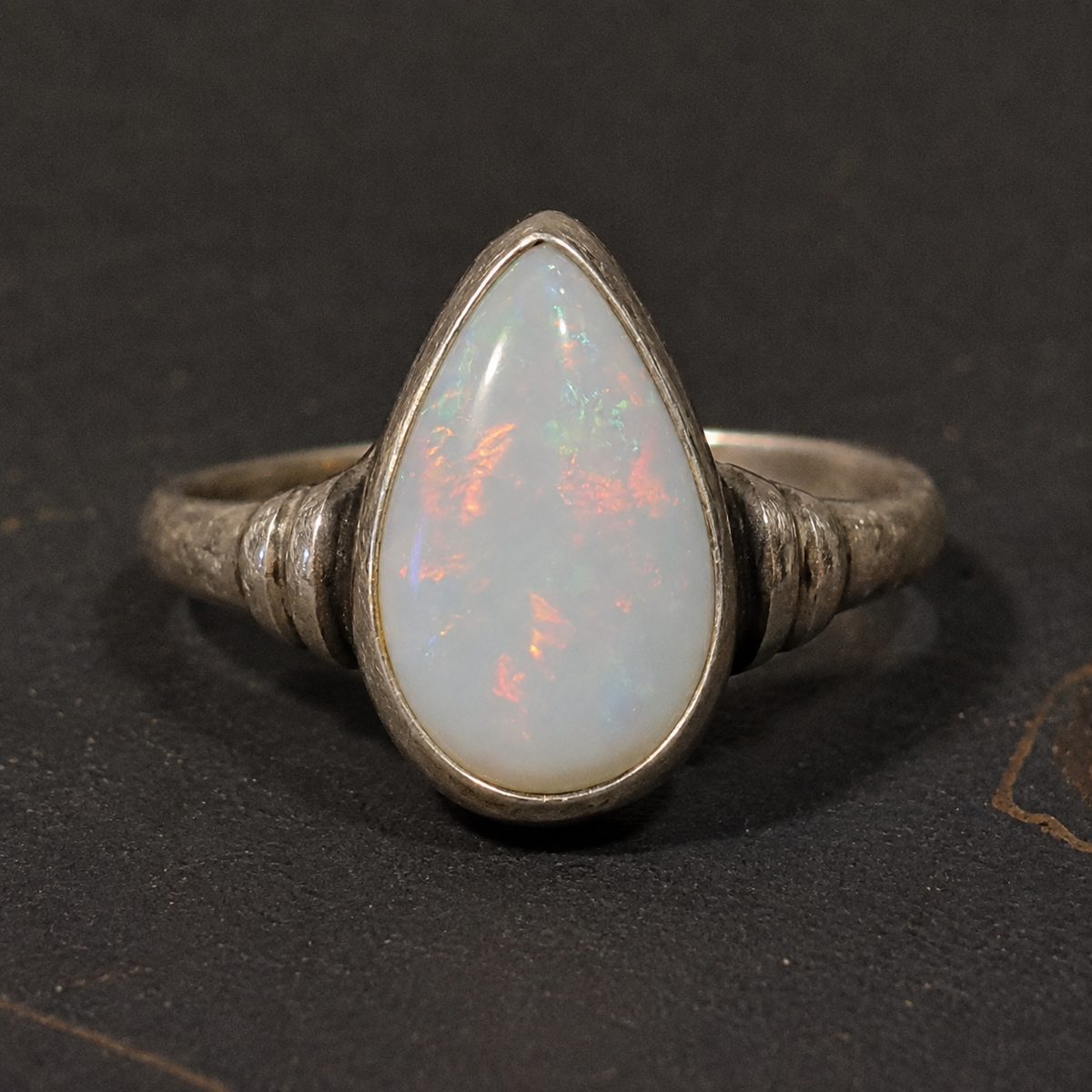
Opals come in three types, and the type matters a lot. A solid opal is the real thing, one whole piece of stone. A doublet is a thin slice of opal glued onto a dark backing to deepen the colour and make it look solid. A triplet goes a step further again: the opal slice on a backing, with a clear dome, usually glass, glued over the top. That dome can make an almost worthless opal look like a stunner worth thousands. So knowing which one you’ve got changes everything.
Then look at the flash. Twist the opal in the light. On a good one, you’ll see colour dancing across almost the whole stone at once. On a weaker one, you’ll catch maybe 30% of colour or less, and mostly see the milky, greyish base underneath. More live colour means more value.
The colours themselves matter too. Orange and red are the rarest, so they’re worth more than blue and green. Look at how bright the colour fires, and how it sits in the stone. Big, bold patches of colour beat tiny pin-dot speckles every time.
Pearls are a niche of their own, and we’ll be upfront: they’re not our specialty. As a rough guide, pearls over 10mm across are more valuable, and natural pearls are worth more than cultured ones. Beyond that general steer we can’t give you a firm value, and we don’t buy pearls. We’d rather tell you that honestly than pretend otherwise.
The Bottom Line on Gemstones
Your gemstone could be worth a great deal. It could also be worth very little. Colour, clarity, size, origin and treatment all pull the price up and down, and they play off each other.
For the full breakdown, here’s how gemstones are valued.
And remember, even if the stone adds nothing extra, the gold around it still has real value. It’s rarely a wasted trip.
A phone photo can’t give you a real answer, though. To read the colour truly and look deep inside the stone, we need it in front of us, in good light.
We love gemstones, and the assessment is free. So bring yours in and let’s find out together.
Some Pieces Are Worth More Than Their Stones
A few pieces break the rules above, in a good way.
Designer and signed jewellery can carry real value in the name alone. Cartier, Tiffany, Bulgari and the like. If your piece is signed by a known house, that stamp can be worth more than the stones in it. Bring the box and any papers if you have them.
Old-cut diamonds are another one. Old European cut and old mine cut stones, the kind you find in antique and art deco rings, don’t fit the modern top-colour, top-clarity rule. But collectors love them for their character and history, so we’re happy to pay a little extra for the right one.
If you think a piece might be antique or designer, say so. It changes how we look at it.
Just Inherited an Estate? Start Here
Losing someone is hard enough. Then you’re handed a box of jewellery and no idea what any of it is.
First, don’t rush, and don’t touch it up. Don’t clean it, polish it, or repair anything before it’s valued. What looks like grime can be part of an old piece’s character and value. Keep every box, receipt and certificate you find, even the scraps. And keep pairs together, earrings especially.
Then bring the whole lot in at once. Don’t sort it or throw anything out first. The plain-looking pieces sometimes hide the value, and the flashy ones are sometimes the costume.
We’re happy to sit with you for an hour or two and go through every single piece properly. We write it all down as we go, so you leave with a full list of what everything is and what it’s worth. It’s free, whether you sell or not.
A Quick Home Check Before You Sell
You don’t need to be an expert. A few minutes now will tell you roughly what you’re holding.
- Check the metal. Look for a stamp inside the band. 9ct, 18ct, 750, 585 or PLAT means gold or platinum, a good sign. A 925 or “sterling” stamp means silver, which usually points to a less valuable piece.
- Find any paperwork. A diamond or gemstone certificate, an old valuation, or a receipt tells us a lot and can lift the value we’re able to confirm.
- Look at the main stone in good light. Is it big and bright with life in it, or dull and cloudy? Can you see into a coloured stone, or does the colour wash out in the middle?
- Check the edges for chips. Small chips and grazes on a coloured stone mean a repair cost, so it helps to know.
- Remember where and when it came from. A fine jeweller, an inheritance, a trip overseas. Every scrap of history helps us assess it properly.
Done all that? The next step is simple. Book a time and bring it in.
What Sellers Say
From our Google reviews
“I recently sold some inherited 22k gold jewellery and the whole experience was excellent from start to finish… I felt I was treated fairly and honestly when selling my gold, which was particularly important to me given the sentimental history behind the pieces.”
“I had a few gold pieces sitting around, not really sure what they were worth, but Josh made the whole process easy and straightforward. He took the time to explain everything, and I was really happy with the price I received.”
“He was quick to respond to my email, well mannered and very accommodating with assessing my jewellery in my home. He was honest and there was no pressure from him to make a decision immediately.”
“Great personalised service from Josh. He took the time to explain details and his transparency made me feel comfortable with the transaction. Highly recommended!”
Come and Show Us Your Stones
Vivid Jewels are gemstone specialists. We deal in the finest quality gemstones from around the world, and we know them inside out. Truth be told, we could sit and talk about gems all day.
We’re also a 2026 member of the Auctioneers and Valuers Association of Australia (AVAA).

If you’ve got diamond or gemstone jewellery, it’s hard to tell its worth from a photo. Your best bet is to book an appointment and come and sit with us. We’ll give you straight advice on what your pieces are worth. If there’s a better way for you to sell them, we’ll tell you. And if they’re worth more than you think, we’ll show you how to get the most for them.
Then it’s your call. Take our fair, same-day offer, or walk away knowing exactly what you own. No pressure, ever.
The assessment is free. Get in touch to book, or call us anytime on 0413 474 962. Open weekends too.
Frequently Asked Questions
Is my diamond natural or lab-grown?
Often we can’t tell just by looking, they’re nearly identical. But here’s a good rule of thumb. If the ring was made before 2020, the diamond is very likely natural. If it was made in the last few years, there’s around a 70% chance it’s lab-grown. Either way, if it was bought recently, we’ll need the certificate or paperwork to say for sure.
Do you buy lab-grown diamonds?
No. Lab diamonds can’t be resold for any real value, because a brand-new one is so cheap to buy. If you’ve got a lab-diamond ring to sell, your best first option is a private sale, which we explain in our guide on where to sell gold in Canberra.
I inherited a ring and lost the paperwork. Can you still help?
Yes. Paperwork helps, especially for diamonds, but it’s not the end of the road. We assess the metal and the stones in person and give you an honest read on what’s in front of us. If something looks significant, we’ll point you to the right next step.
What makes a ruby, sapphire or emerald valuable?
Colour first, then clarity, size and origin. A strong, vivid colour you can see into is what you want. Where the stone was mined can swing the value a long way, and any treatment usually lowers it. We look at all of it together.
Can you value my diamond or gemstone from a photo?
Not accurately. A camera changes the colour of a gemstone, and we need to see how the light bounces around inside the stone. It really has to be assessed in person. You’re welcome to call for a quick chat before you come in, but your best bet is to book an appointment and bring it along.
Is the valuation really free?
Yes, always. And if you’ve got a larger estate of items, we’re happy to sit with you for an hour or more and go through everything, writing it all up on a spreadsheet as we go. At the end, you can sell to us on the spot, or walk away with the full list of prices. Your call.
While You’re Here
If your old stones aren’t worth what you’d hoped, don’t write them off. There’s often a better second life for them.
Old gold and tired stones can be remade into a piece you’ll actually wear. Custom design is our specialty. See how it works on our custom jewellery page, or browse the portfolio for ideas.
Want to buy a quality gem or a special piece instead? Our Jewellery Buyers Agent service helps you find the right stone at the right price, without the retail markup.
And if you’re selling gold too, our honest guide on where to sell gold in Canberra walks you through it.
Got gold sitting in a drawer? Here’s how selling it works in Canberra.