Selling Inherited or Estate Jewellery in Canberra
Someone you loved has passed. And somewhere in the middle of it all, you’ve been handed a box of jewellery.
Maybe it’s a velvet tray of rings you’ve never seen. A tangle of gold chains. Brooches, a watch, a strand of pearls, a few stones loose in a twist of tissue.
You’ve no idea what any of it is. Whether it’s worth something or nothing. What you’re allowed to do with it, or what you should do with it.
First, take a breath. There’s no rush here, and we mean that.
This is a gentle, honest guide to selling inherited or estate jewellery in Canberra, or simply working out what you’ve got. Keep the pieces that matter. Sell the ones that don’t. And do it without being taken advantage of at a hard time.
First, Don’t Rush, and Don’t Tidy It Up
The instinct is to sort it, clean it, and get it done so it’s one less thing. Please don’t, not yet.
Don’t clean or polish anything. What looks like grime or tarnish can be part of an old piece’s character, and sometimes its value. A hard polish can actually take value off an antique.
Don’t repair anything before it’s valued. A jeweller assesses a piece as it is.
Keep every box, receipt and certificate you find. A little folded valuation from 1985 can tell an expert a lot.
Keep pairs together. Earrings especially. One earring is worth a fraction of two.
Don’t bin anything because it “looks like junk.” The plain, tired-looking pieces are sometimes the valuable ones. The big flashy sparkler is sometimes the costume. You can’t tell by looking, and neither can most people.
You Don’t Have to Decide Anything Today
Here’s the part nobody tells you. You can keep it all for now. You can sit with it. You can decide in a month, or a year.
Grief and big decisions don’t mix well. There’s no clock on this.
When you are ready, most inherited jewellery falls into three simple piles.
Keep. The pieces that hold a memory. Her wedding ring. The watch he wore every day. These aren’t about money, and they never were. Hold onto them.
Remake. A piece you love the story of but would never wear as it is. Old gold and old stones can be remade into something you’ll actually put on, which keeps the piece in the family in a form that lives on. We don’t do that work in-house, but we’ll happily point you to a trusted local jeweller who’ll take the utmost care with it.
Sell. The pieces that aren’t you, that nobody will wear, or that are simply damaged. A seized old pocket watch. A ring that’s been cut off a swollen knuckle. A snapped chain, a bent bangle, an odd earring. Broken and scrap pieces still hold real value in their metal, so don’t write them off. And there’s no guilt in selling. Letting a piece go to someone who’ll treasure it, or turning it into help for your family, is a perfectly loving thing to do.
What’s Actually in the Box?
Most estate jewellery is a mix of a few things.
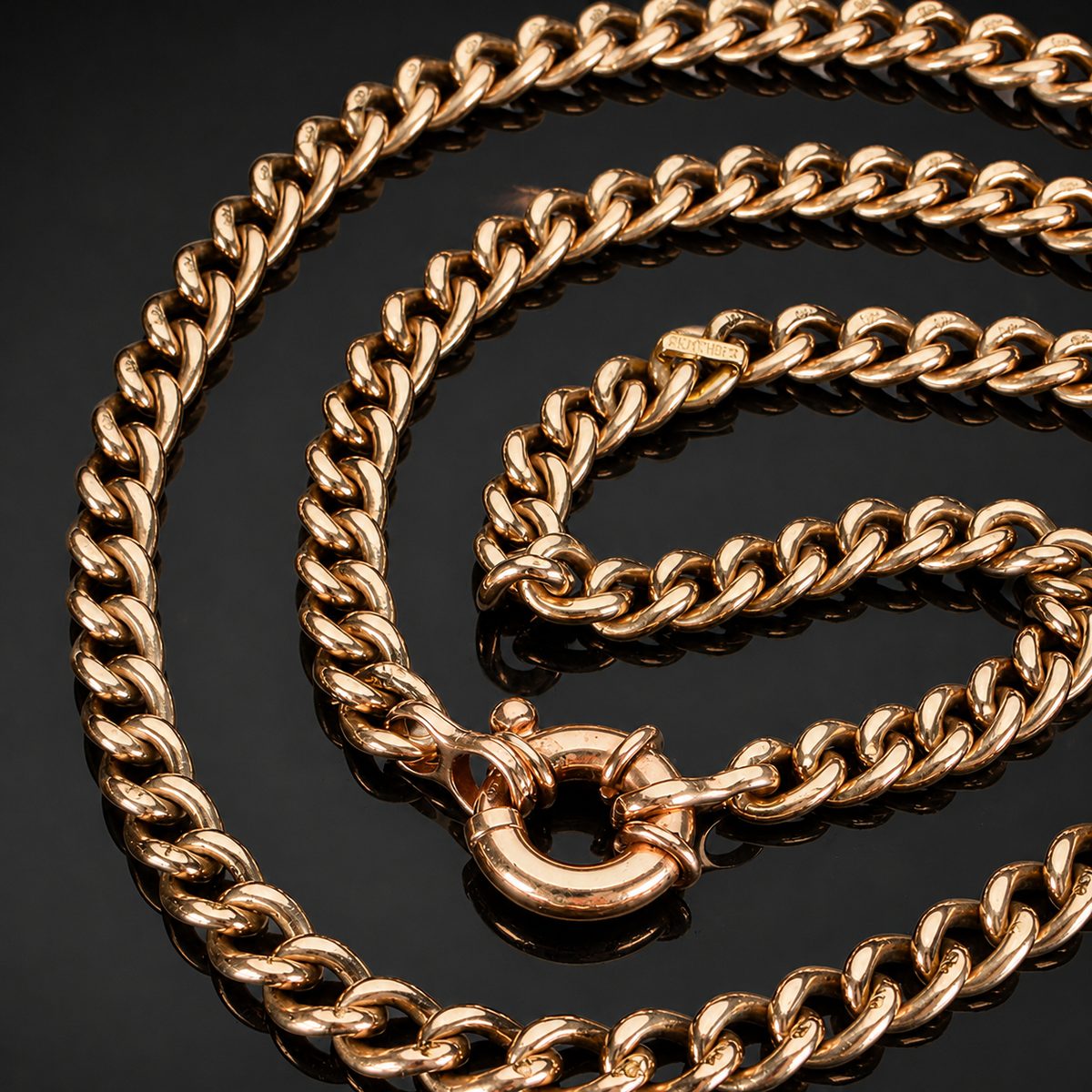
Gold and silver. Chains, bangles, worn rings, broken bits. Even damaged or unfashionable, the metal itself has real, weighable value. Our honest guide on where to sell gold in Canberra walks through that. When you’re ready, you can sell your gold in Canberra with us.
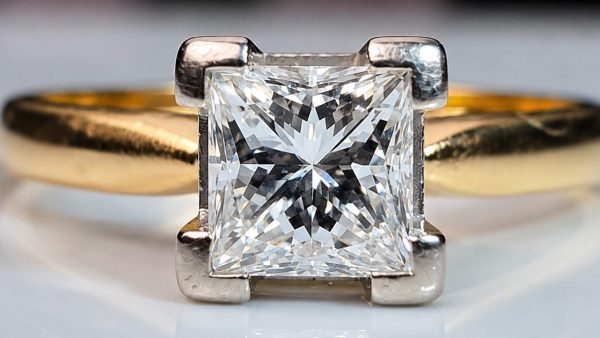
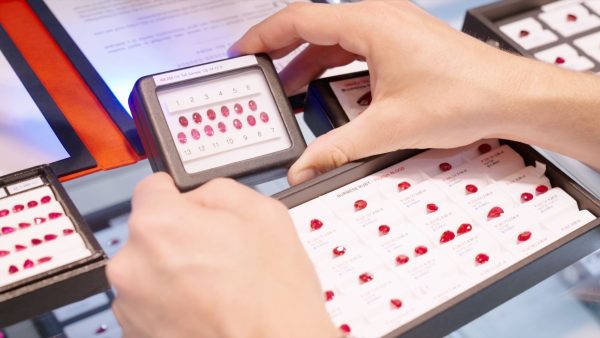
Diamonds and gemstones. Some are worth real money. Many aren’t, and it’s rarely obvious which is which. If there’s a ring with a stone in it, read is your diamond or gemstone worth anything? before you assume.
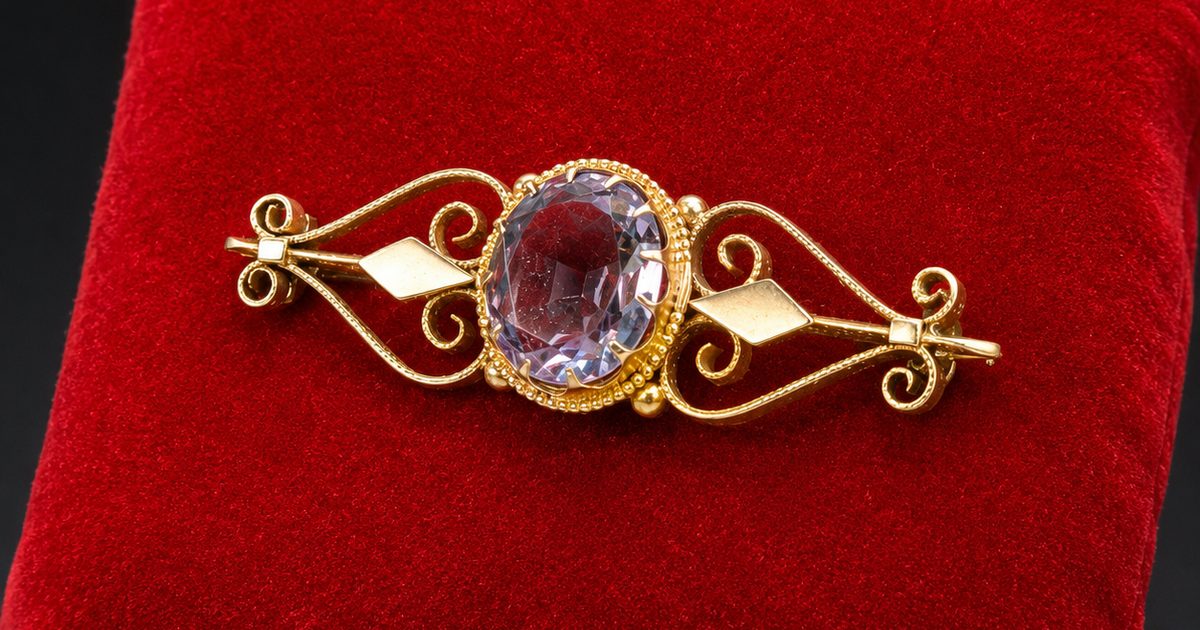
Vintage, antique and designer pieces. This is where estates surprise people. An art deco ring, a signed piece from a known house, an old-cut diamond. These can be worth well beyond their gold, and they’re easy to miss.
Costume jewellery. Pretty, sentimental, but usually worth little in money. Keep the ones you love for what they are.
You don’t need to know which is which. That’s the whole point of getting it looked at.
The Value You Need Depends on Why You’re Asking
This trips a lot of people up, so it’s worth clearing up. There isn’t one number for a piece of jewellery. There are a few, and they’re very different.
Insurance value is what it would cost to replace the piece brand new at full retail. It’s the biggest number, and it’s on most old valuation certificates. It is not what the piece sells for. Please don’t take an insurance figure as the selling price. It almost never is.
Estate or probate value is a fair market figure, often needed to settle an estate or divide it between family. It’s about what things are honestly worth, not retail.
Cash or resale value is what you actually get if you sell today. This is the real-world number, once the retail markup is stripped away.
Knowing which one you need saves a lot of heartache. We’ll tell you all three where they matter, and explain the gap.
Dividing It Fairly Among Family
Jewellery has a way of causing friction between people who love each other. It’s rarely about the money. It’s about the memory, and about feeling things were fair.
A calm, honest valuation takes the heat out of it. When everyone can see what each piece is genuinely worth, the conversation gets easier.
From there it’s usually one of three paths. Split the pieces by who wants what, using the values to keep it even. Sell the lot and divide the money. Or a mix: keepsakes go to the people who want them, the rest is sold and shared.
Talk it through together, early. Most disputes come from silence and assumptions, not from the jewellery itself.
What Sellers Say
From our Google reviews
“I recently sold some inherited 22k gold jewellery and the whole experience was excellent from start to finish… I felt I was treated fairly and honestly when selling my gold, which was particularly important to me given the sentimental history behind the pieces.”
“I had a few gold pieces sitting around, not really sure what they were worth, but Josh made the whole process easy and straightforward. He took the time to explain everything, and I was really happy with the price I received.”
“He was quick to respond to my email, well mannered and very accommodating with assessing my jewellery in my home. He was honest and there was no pressure from him to make a decision immediately.”
“Great personalised service from Josh. He took the time to explain details and his transparency made me feel comfortable with the transaction. Highly recommended!”
How We Help with a Deceased Estate
This is the part where we come in, and we do it gently.
Bring the whole lot to us. Don’t sort it, clean it, or leave anything behind. We’ll sit with you for as long as it takes and go through every single piece.
We work through it one item at a time. For each piece we note what it is, the metal and carat (9ct, 18ct, yellow or white gold, and so on), and our honest offer-to-buy price.
Then we email you the whole list as a tidy PDF. You can share it with the rest of the family, or just take it home, put the kettle on, sleep on it, and decide when you’re ready. There’s no rush and no pressure.
It’s free, whether you sell a single thing or not.
And if a piece is genuinely special, an important antique or a signed designer piece, we’ll tell you. If it belongs with an auction house or an antique specialist to get you the most for it, we’ll point you there. That’s not a sale we chase. It’s just the right thing to do.
Prefer to talk first? Call us anytime on 0413 474 962. Open weekends too.
Frequently Asked Questions
I’ve inherited a box of jewellery and have no idea what any of it is. Where do I start?
Bring it all in, exactly as it is. Don’t clean, sort or repair anything. We’ll go through every piece with you, tell you what it is and what it’s worth, and email you a full list to keep. There’s no cost and no pressure to sell.
Do I need my jewellery valued to settle the estate?
Often, yes. A fair market valuation helps divide an estate evenly and satisfies the paperwork. We can give you honest values for that, and explain the difference between an estate value, an insurance value, and what a piece actually sells for.
Is there tax on inherited jewellery in Australia?
Australia doesn’t have an inheritance or estate tax, so being given the jewellery isn’t taxed. If you later sell, there can be capital gains rules on some items. We’re not tax advisers, so check anything tax-related with your accountant. We’ll give you clear values to work from.
Some of it looks like junk, or it’s broken. Should I just throw it out?
No. Broken and damaged pieces, a seized watch, a snapped chain, a cut-off ring, still hold real value in their metal. And the plain, tired-looking pieces are sometimes the valuable ones, while the flashy ones are sometimes costume. You can’t tell by eye. Let us look before anything goes in the bin.
Can you help me turn a piece into something I’d actually wear?
Not in-house, but we’ll happily point you in the right direction. We can recommend a trusted local jeweller who’ll remake it with real care, so you keep the memory in a piece you’ll actually wear.
Is the valuation really free?
Yes, always. For a whole estate, we’ll sit with you and go through every piece, then email you the full list as a PDF. At the end you can sell to us on the spot, or simply keep the list. Entirely up to you.
While You’re Here
Working through an estate often means a bit of everything.
If there’s gold in the mix, our honest guide on where to sell gold in Canberra shows you what it’s really worth. And if there are rings and stones, read is your diamond or gemstone worth anything? before you assume anything.
Whatever you’ve been handed, you don’t have to work it out alone.
Got gold sitting in a drawer? Here’s how selling it works in Canberra.