
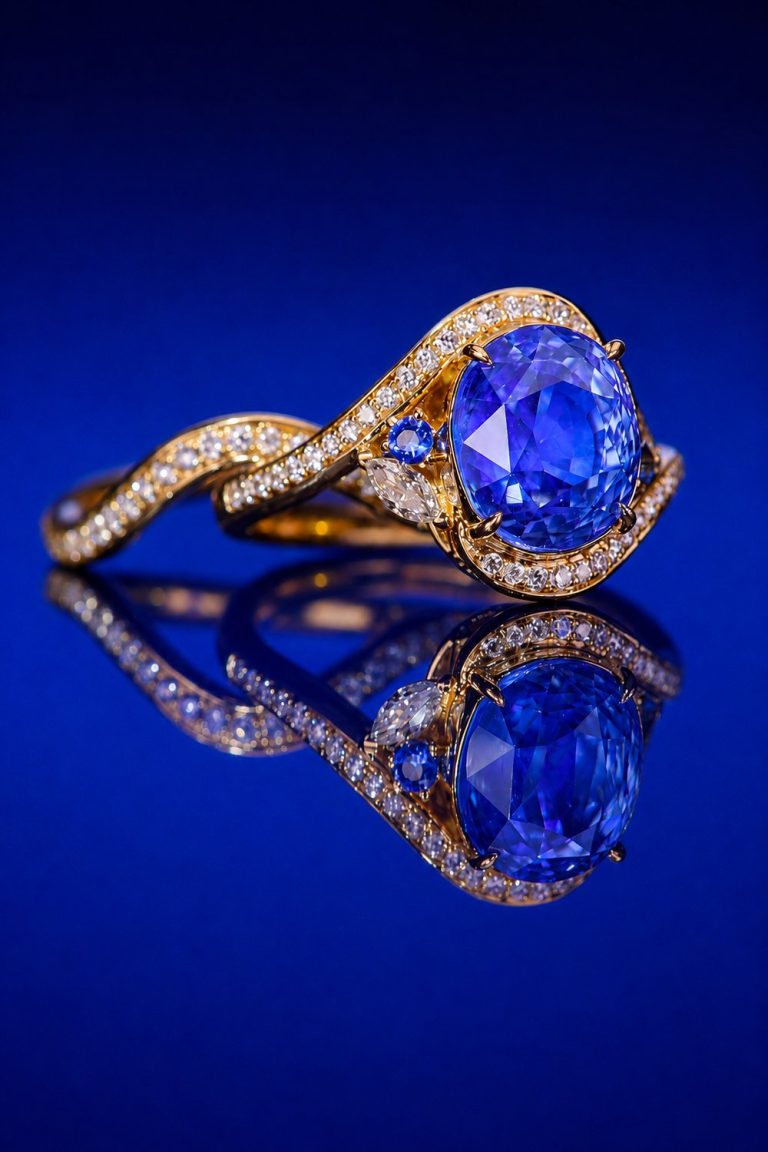
The Blue Lotus
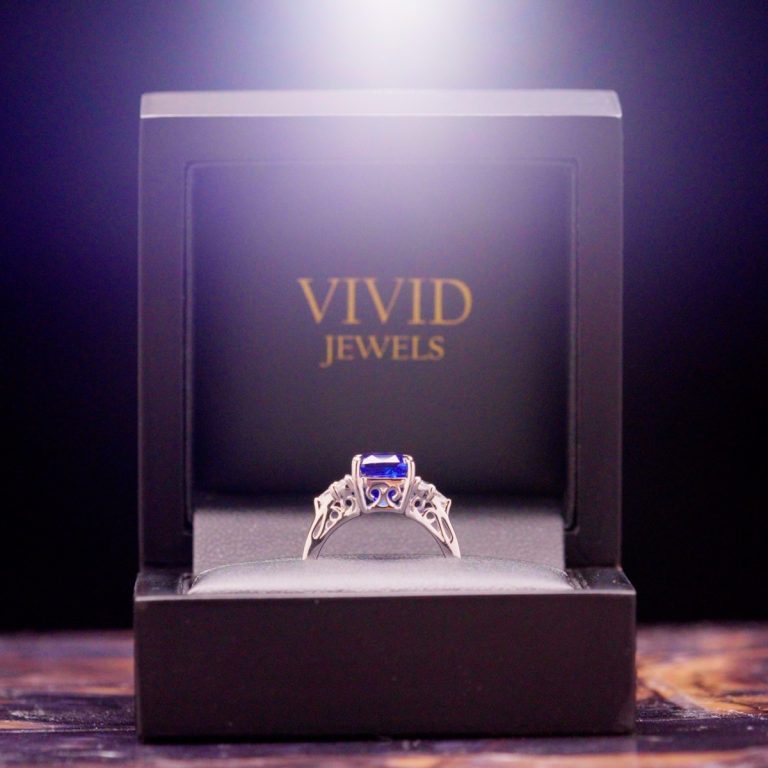
4.54ct Unheated Cornflower Blue Ceylon Sapphire
Sapphire Engagement Rings
Give Her a Sapphire That Roars with Colour.
Most sapphires in shop windows are commercial stones. They’re mined by the tonne, heated to lift their colour, and they often look dark or patchy.
You want a sapphire as rare as the woman who’ll wear it. One with real colour, and a story worth telling the grandkids.
I’ll help you find a vivid royal blue or bright cornflower sapphire from Sri Lanka, the island once called Ceylon. Then we design the ring around it, so she wears a sapphire nobody else on earth has.
Picture Her Friends Gushing Over Her Ring
Every one of these started with a hunt for the stone. Then we designed the ring around the woman who’d wear it. See more in our portfolio.
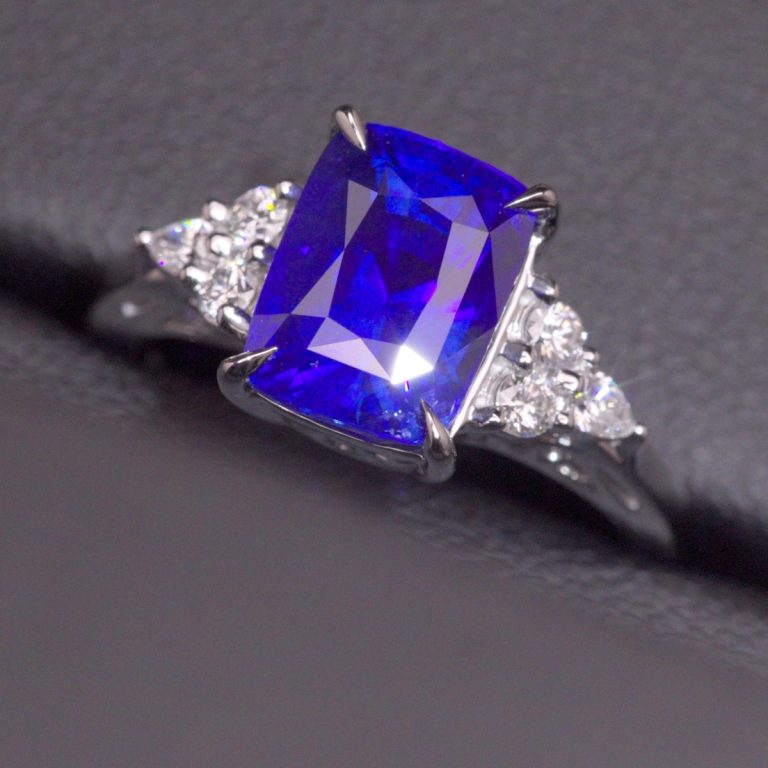
The Lewis Engagement Ring:
5.6 Carat Vivid Royal Blue Ceylon Sapphire
Cushion Cut · 18ct White Gold
A Trio of Diamonds on Each Shoulder
Her stone took nine weeks and 25 rejected sapphires to find. Sharp eagle claws hold it, with a filigree side profile. Delivered to Perth.
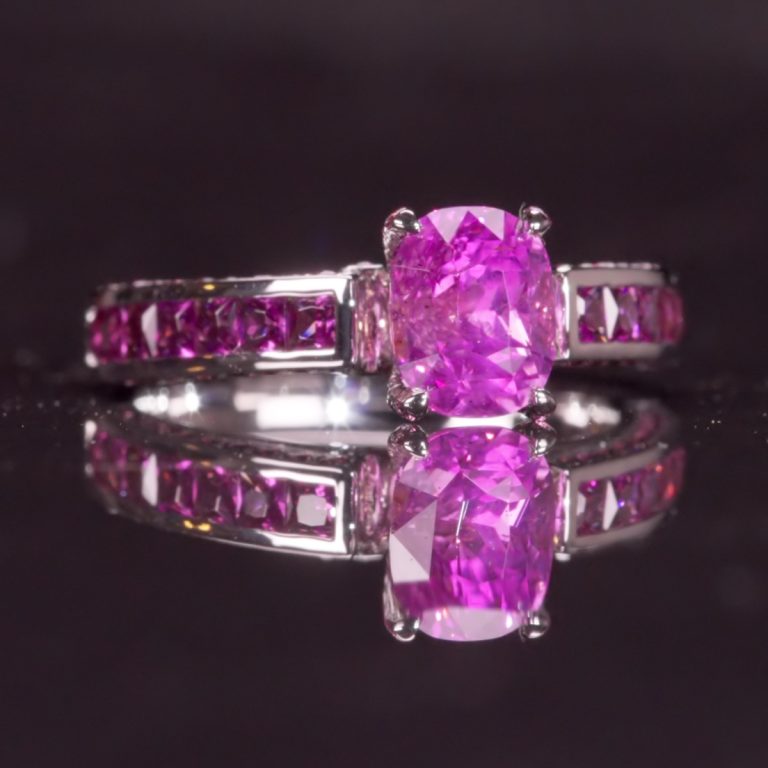
Princess Peach:
2.12 Carat Unheated Vivid Purplish Pink Ceylon Sapphire
Cushion Cut · 18ct White Gold
Princess-Cut and Round Amethysts
A 10th anniversary ring, delivered in Canberra. Pink and purple, from the sapphire to the amethysts in the band.
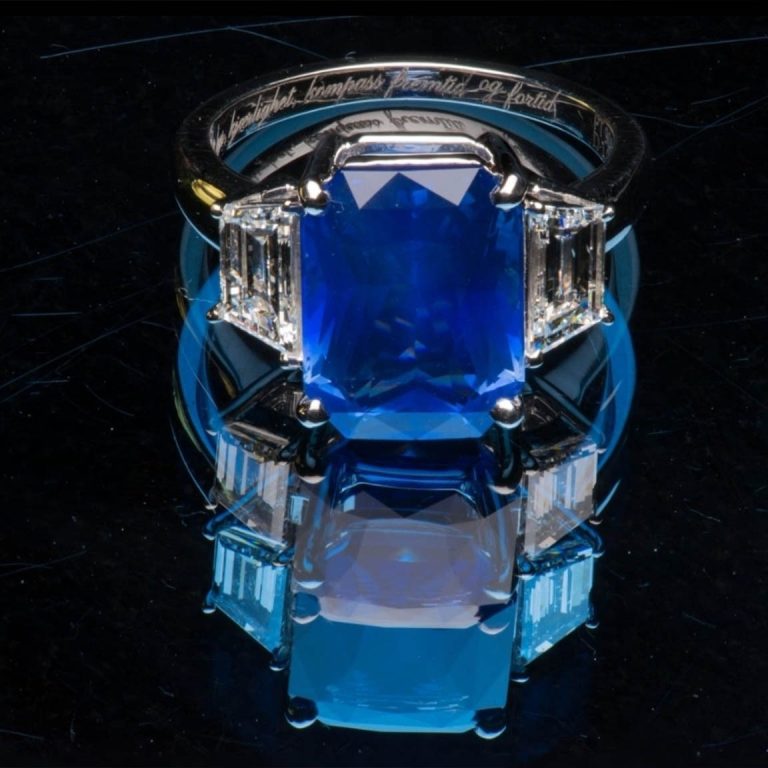
The Konnected Sapphire:
7.2 Carat Intense Cornflower Blue Ceylon Sapphire
Emerald Cut · Platinum
Trapezoid Diamond Shoulders
“To have a deeper connection with my partner and unite our souls before our wedding.” That was the brief. The platinum band carries a private inscription in Finnish. Read the full story.
“Josh helped me create a stunning 7.2ct sapphire ring… an amazing experience from start to finish.”
Matt Williams · Gold Coast · The Konnected Sapphire
How It Works
It all starts with a spark. Here’s the path from that first idea to the ring on her hand.
01
It Starts with a Spark
Maybe it’s her favourite colour, or the blue of her eyes. Send me your ideas through the design brief, or give me a call.
02
We Set the Levers
Together we choose the colour, size and quality that suit her, and your budget. You can try the levers further down this page.
03
I Go Hunting
A $999 gem hunting deposit starts the hunt. It comes off your final invoice, and you get it back if I can’t find your stone within 90 days. I send you photos and videos of the best stones on WhatsApp, and tell you why I turn the others down.
04
We Check the Stone
Once we agree on a price, and before any payment is made, a reputable lab confirms the stone is exactly what the seller says.
05
We Design Her Ring
You shape the design with me in a 3D drawing until you’re 100% happy. Then it’s made and delivered, usually two to three months from our first chat.
Why a Sapphire?
Why She’ll Love It
- Blue is her colour. Maybe it’s her favourite, the colour of her eyes, or the dresses she always reaches for.
- Nobody else has one. Her friends are wearing lab-grown diamonds. She’ll wear a rare natural sapphire with a story behind it.
- It’s a way to express herself, without playing it safe.
- She’ll feel special every day. The compliments will keep coming.
- It’s made for Australian light. We live somewhere bright and sunny, so a vivid sapphire absolutely pops, day and night.
- She can wear it every day. It’s made for real life, without worrying about damage.
Why It Makes Sense
- Her family will see you chose well. When my client bought the Blue Lotus, his biggest worry was what her family would think.
- It means something. They say sapphire is the stone of truth and communication. Perfect for the woman you’ll raise a family with.
- It gets passed down. A fine sapphire is a valuable thing to own, and it will be treasured for generations.
- Fine sapphires have a track record. Diamond prices have tanked. Fine sapphires have risen in value over time. From 2025 to 2026, fine sapphires over three carats doubled in price.
- Demand keeps growing. More and more people are turning to natural coloured gemstones.
One catch: that track record only belongs to fine sapphires. Here’s how to spot one.
How to Spot a Fine Sapphire
Be careful of a sapphire that’s too dark. Many have dark patches, which the trade calls extinction.
A fine sapphire has open colour. Most of the stone shows a strong, even blue, with no dark patches.
The best sapphires rarely reach a shop at all. They change hands through trusted relationships.
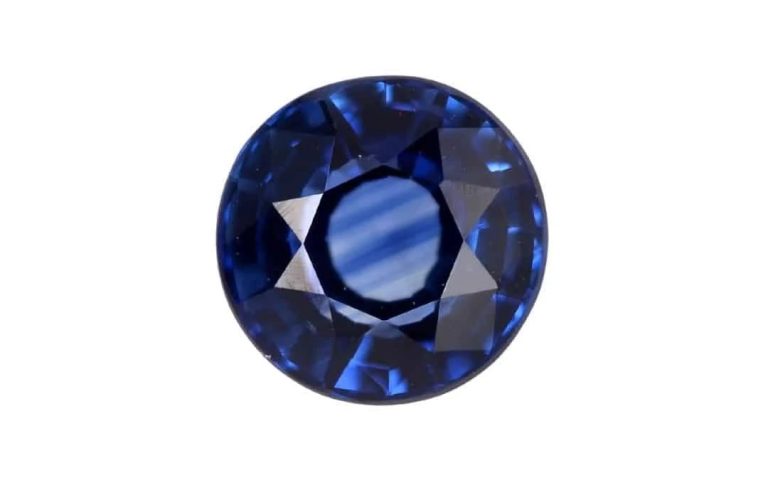
CommercialToo Dark, with Dark Patches
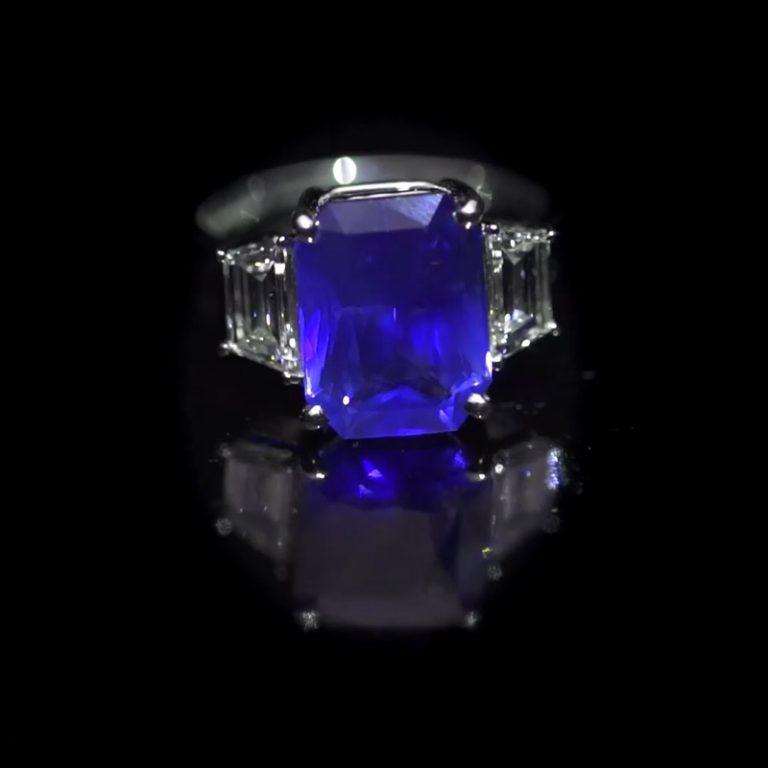
FineOpen, Even Colour
Pull the Levers
Four levers set the price of a sapphire: colour, treatment, clarity and size. Pull them and see where your stone lands.
Commercial
This is what fills most shop windows.
- Standard blue: the colour of most sapphires in shops. Often too dark, with dark patches.
- Heated: 98 out of 100 sapphires are. Worth it only in the finest colours.
- Eye clean: no inclusions you can see from a foot away.
- 2 carats: the bare minimum for a sapphire ring.
Royal Blue or Cornflower Blue?
Royal blue is the deepest blue a sapphire can be before it turns too dark. It’s most prized in Asia and the US.
Cornflower blue is a brighter, lighter blue. It’s most loved in Europe and Australia.
Both are equal best in the world.
You’ll also hear two more words. Vivid means the stone is brighter, so it glows from across the room. Intense means the colour is so strong it feels packed into the stone. The Konnected Sapphire is an intense cornflower blue.
Blue isn’t her colour? Sapphires come in pink and purple too. One client wasn’t sure what to choose, so I asked him her favourite colour. He said purple and pink. So I found him an unheated vivid purplish pink sapphire. You can see it above: the Princess Peach.
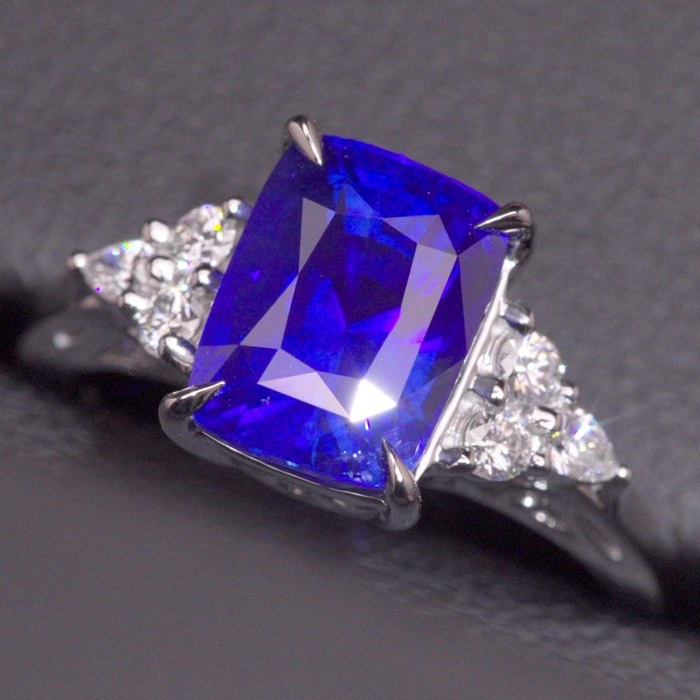
Royal Blue5.6ct Vivid Royal Blue Ceylon Sapphire
Cornflower Blue4.54ct Unheated Cornflower Blue Ceylon Sapphire
Heated or Unheated?
98 out of 100 sapphires have been heated. Heat improves the colour and burns away tiny imperfections, so the stone looks clearer.
Most of the sapphires you’ll see in any shop in Australia are heated. When you do find an unheated one, the price will be screaming at you. An unheated sapphire is far more valuable, and it usually costs two to three times as much.
So which should you choose? We work back from your budget and from why you’re buying. If you’re building a collection and you have the budget, unheated is the better stone, 100%.
A heated sapphire can still be a significant stone, but only in the finest colours: vivid royal blue or intense cornflower blue. A standard blue heated sapphire is back to commercial grade.
How do you know which one you’re getting? We listen to the seller, but we don’t just take their word for it. A reputable lab confirms it before any payment is made. If a stone sold as unheated came back heated, we’d walk away. It’s never happened to us.
Size, Clarity and Cut
Start with her. Does she love a big, showy ring, or something more minimal?
How Many Carats?
Two carats is the bare minimum for a sapphire ring. Collectors start at three.
The price per carat steps up at five carats, then holds steady until it steps up again at ten. So you pay the same per carat for a 4.47 carat sapphire as a 3.05.
Three or five carats both work beautifully in a ring.
Eye Clean or Loupe Clean?
Eye clean means you can’t see any inclusions when you look into the stone from about a foot away.
Loupe clean means you still can’t see any under a 10x magnifying glass, held right up to your eye. It costs more per carat.
If legacy matters to you, choose a smaller stone with better colour and clarity over a bigger stone full of inclusions.
The Cut and the Setting
Some sapphires carry a lot of depth. A deep five carat stone can look like three and a half carats from the top.
That extra depth can also give it stronger colour.
So we think about the setting early. The ring she’ll wear helps us decide which stone to hunt.
A Guide Who Knows Sapphires
Two sapphires can look alike and be thousands of dollars apart. It’s hard to know who to trust, especially with this much money.
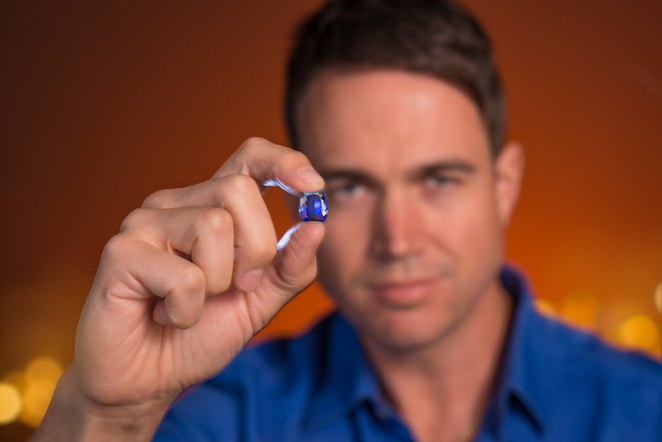
My love of sapphires started on a family trip to Sri Lanka in 2010. I’ve also spent over a decade colour grading film, fussing over the tiniest shifts in colour. So I can pick the best sapphire off a tray, every time. My favourite? Star sapphires.
Sri Lanka is the best source in the world for sapphires still being mined today, and I have strong relationships there. Burma and Madagascar also have sapphires worth buying.

Associate member of the Auctioneers and Valuers Association of Australia.
What Does a Sapphire Engagement Ring Cost?
Your custom engagement ring starts from $25,000. The stone sets the price, and the rarest sapphires cost the most.
The bigger your budget, the rarer the sapphire we can hunt down, and the more extraordinary her ring can be.
I’d love to chat and help bring your vision to life.
Custom engagement rings
From $25,000
A $999 gem hunting deposit starts the hunt. It comes off your final invoice.
Sapphire Engagement Rings for Canberra, and the Rest of Australia
I’m based in Canberra, and I spend a lot of time in Brisbane, the Gold Coast and Sydney. I’m happy to meet in person, by appointment. Many of my clients just talk with me over the phone, and I share photos and videos of their stone on WhatsApp.
Still deciding on the stone? Have a look at our emerald engagement rings, or all our custom engagement rings.
Start the Hunt
Sapphire Engagement Ring Questions
Are sapphires good for engagement rings?
Yes. A sapphire is made to be worn every day, so she can wear it without worrying about damage.
Should I choose a heated or unheated sapphire?
98 out of 100 sapphires are heated. An unheated sapphire usually costs two to three times as much. Heated works in the finest colours: vivid royal blue or intense cornflower blue. We work back from your budget and why you’re buying.
What’s the best colour for a sapphire?
Royal blue and cornflower blue are equal best in the world. Royal blue is the deepest blue before a sapphire turns too dark. Cornflower is a brighter, lighter blue. Pink sapphires, and the rare orange-pink padparadscha, are beautiful too.
What size sapphire should I choose?
Two carats is the bare minimum for a ring. Collectors start at three carats. The price per carat steps up at five carats, and again at ten.
Have sapphire prices gone up?
Fine sapphires have. From 2025 to 2026, fine sapphires over three carats doubled in price. That only applies to fine stones, so it pays to know how to spot one.
Where do your sapphires come from?
Mostly Sri Lanka, once called Ceylon. It’s the best source in the world for sapphires still being mined today, and I have strong relationships there. Burma and Madagascar also have sapphires worth buying.
Will my sapphire come with a certificate?
Yes. Every centre stone comes with a report from a reputable gem lab, including whether it’s been heated.
How long does it take?
Two to three months from our first chat to the finished ring. Some hunts are quicker. The rarest stones can take longer.
How much does a sapphire engagement ring cost?
Your ring starts from $25,000. A $999 gem hunting deposit starts the hunt. It comes off your final invoice, and you get it back if I can’t find your stone within 90 days.
Not ready yet? Follow the hunt.