The Hope Diamond: How France Lost Its Great Blue Diamond
The Hope Diamond is the most famous blue diamond in the world. Before it was the Hope, it belonged to the kings of France. Then it vanished.
I sat down with Scott Sucher of Museum Diamonds, a master gem cutter and historian, to hear how the story fits together.
From the Tavernier Blue to the French Blue Diamond
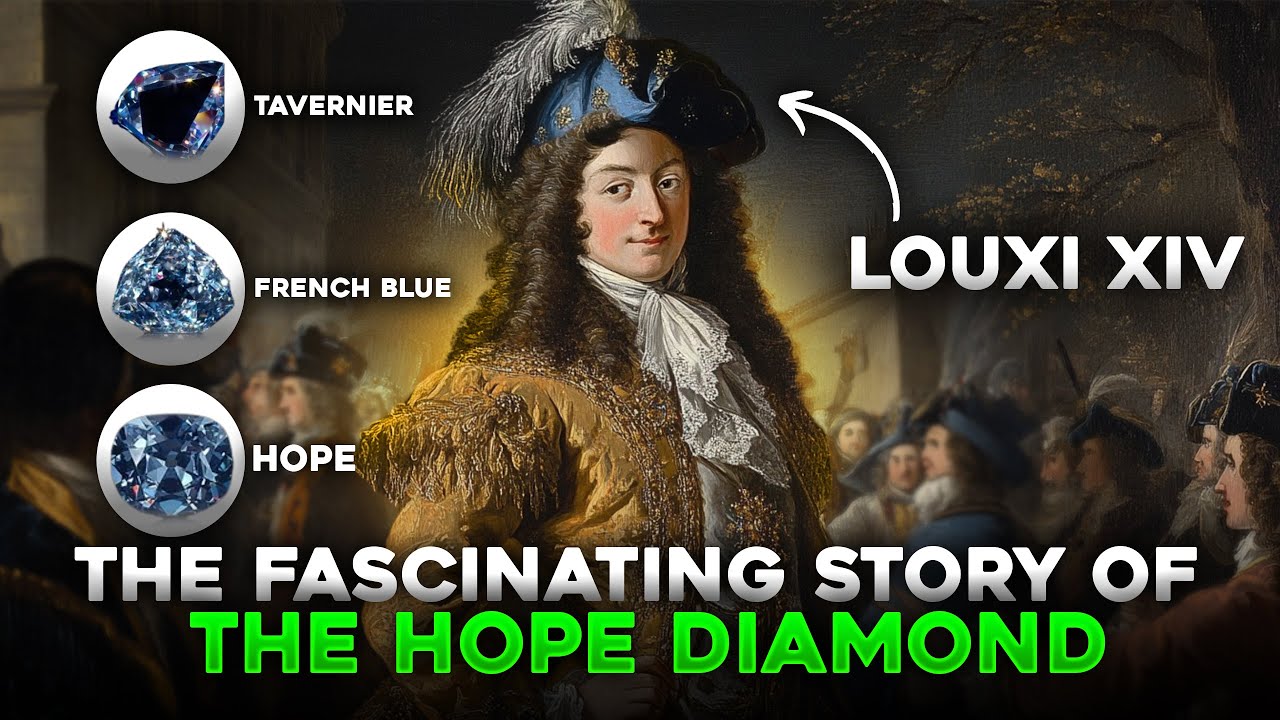
It started as the Tavernier Blue, a roughly polished blue diamond. Jean-Baptiste Tavernier bought it in India, carried it all the way to France and sold it to Louis XIV.
Louis didn’t like the shape. He wanted brilliance, sparkle and symmetry, so he had his court jeweller cut it again. The new stone, the French Blue, was finished in 1673. About 45 carats were lost in the cutting.
Why the French Blue Had Seven Sides
The French Blue had seven sides, an unusual shape for a diamond. Scott thinks the reason was religious. Seven is the number mentioned most often in the Bible, and in ancient Aramaic the word for seven also described the perfection of God.
Louis XIV was the Sun King. A seven-sided diamond in the blue of the sky told everyone that God had chosen him to rule France. As Scott put it, when you’re the boss you can tell any story you want.
The Golden Fleece and the Theft of 1792
In 1749, Louis XV had the French Blue set into his Order of the Golden Fleece, a jewel inspired by the legend of Jason and the Argonauts.
Then, in 1792, the French Crown Jewels were looted over five days. The Golden Fleece, with the French Blue inside it, was gone.
How the French Blue Became the Hope Diamond
In 1812, a manuscript turned up describing a large blue diamond: the stone we now call the Hope. It was dated 20 years and two days after the theft, just past a 20-year statute of limitations.
When the French Blue disappeared, it was the world’s largest blue diamond. When the Hope appeared, it was the world’s largest blue diamond. People suspected one came from the other for a long time, with no proof.
For a Discovery Channel program, Scott and his team used forensic geometry to test it. They modelled both stones and showed that the Hope fits inside the French Blue. Cutting it down cost about another 24 carats.
Where Is the Hope Diamond Now?
The Hope Diamond is in the Smithsonian. Scott had his replica in his pocket the day we filmed, so we joked about a switcheroo.
Four More Famous Diamonds
Here are four more famous diamonds, in under a minute:
- The Black Orlov, one of the largest historic black diamonds.
- The Florentine, with a cut that looks like the spaceship in Flight of the Navigator.
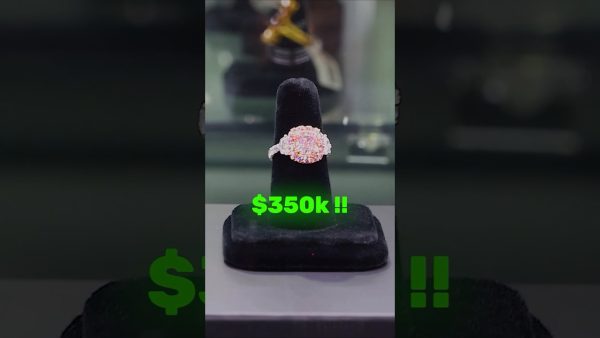
- A pink diamond set by Harry Winston for the Princess of Iran.
- The Idol’s Eye, a stone that later disappeared. Big historic gems have a habit of doing that.
Rare Diamonds Still Change Hands
The great gems of history passed between kings, thieves and collectors. The finest stones still change hands quietly, between dealers and private collectors.
Building a rare gem collection? I’d love to help you find your stones. For a diamond engagement ring, I look for D to F colour, VVS clarity or better and a triple excellent cut. See our custom engagement rings.
Subscribe on the Vivid Jewels YouTube channel for more gem stories.
Got gold or jewellery you no longer wear? I also buy gold in Canberra.
Frequently Asked Questions About the Hope Diamond
Where is the Hope Diamond now?
In the Smithsonian.
Was the Hope Diamond cut from the French Blue?
Yes. For a Discovery Channel program, master gem cutter Scott Sucher and his team used forensic geometry to show that the Hope fits inside the French Blue.
Why was the French Blue diamond seven-sided?
Scott Sucher’s view is that seven carried religious meaning. For Louis XIV, the Sun King, a seven-sided diamond in the blue of the sky said God had chosen him to rule France.
When was the French Blue stolen?
In 1792, when the French Crown Jewels were looted over five days. The Hope Diamond was first described in 1812.
Got gold sitting in a drawer? Here’s how selling it works in Canberra.